Migraines are more than “just headaches.” They’re intense, throbbing episodes that can keep people from working, sleeping, or even holding a conversation. Around 39 million Americans live with migraines, and for many, the triggers seem endless—stress, hormones, weather changes, even certain foods.
When migraines become chronic, lasting more than 15 days a month, treatment often feels like a cycle that never ends. That’s where Botulinum Neurotoxin Therapy may play a role in breaking the pattern.
How Migraine Triggers Work
Migraines don’t strike randomly. They’re often set off by triggers that overstimulate the brain and nerves. Some people react to bright lights, while others find that missing a meal or changes in sleep spark an attack. The problem is that triggers add up, stacking on each other until the brain reaches a breaking point.
This is why managing migraines can feel overwhelming. Even if you avoid one trigger, another might sneak in. Over time, the cycle of pain continues, leaving people desperate for relief. For those facing frequent attacks, Botulinum Neurotoxin Therapy in Walnut Creek, CA, has become a treatment option worth considering.
How Botox Helps with Migraines
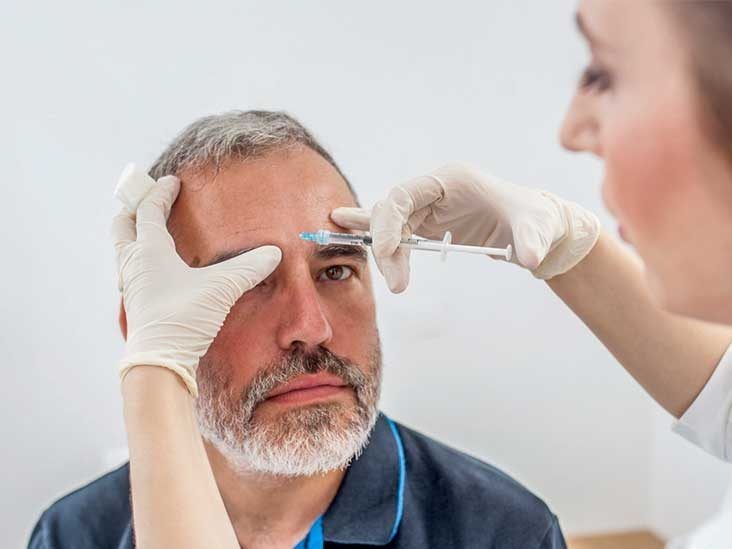
Botox isn’t just for smoothing wrinkles. In fact, it’s FDA-approved for chronic migraines. The treatment works by calming overactive nerves and reducing the release of pain-causing chemicals in the brain. Small doses are injected into specific areas of the head and neck.
The idea is simple: if the nerves stop sending as many “pain signals,” the cycle of migraines can be interrupted. Many patients report fewer attacks, shorter episodes, and less reliance on rescue medications after several sessions.
Can It Really Break the Cycle?
For people living with chronic migraines, Botox can feel like a reset button. Instead of reacting to every possible trigger, the nervous system becomes less sensitive. That doesn’t mean migraines vanish completely, but they often become more manageable.
Some patients notice improvements after the first session, while others need a few rounds to see results. Research shows that consistency is key. Regular treatments every 12 weeks give the brain and body time to adjust.
Other Benefits Beyond Migraines
Botox isn’t limited to headache care. It also helps with temporomandibular joint disorder (TMJ), excessive sweating (hyperhidrosis), and cervical dystonia, a condition that causes painful neck spasms. These added benefits make Botulinum Neurotoxin Therapy a versatile treatment in neurology and beyond.
The Bigger Picture
Managing migraines usually requires a combination of strategies. Botox can reduce the intensity and frequency of attacks, but lifestyle adjustments still matter. Staying hydrated, keeping a sleep routine, and monitoring food triggers all support long-term relief. When combined with preventive care and medical guidance, Botox often becomes part of a bigger plan rather than the only solution.
Your Next Step Toward Relief
Migraines can feel like they take over your life. They strike, disrupt your headspace, and make everything harder. Botulinum Neurotoxin Therapy offers a chance to interrupt that cycle of pain before it starts. For individuals dealing with repeated attacks, this treatment can feel like a lifeline. It’s the one that gives back more control and fewer headache days.
Finding the right support is key. Patients in the area may look into Botulinum Neurotoxin Therapy in Walnut Creek, CA, where experienced neurologists guide them through this treatment safely and effectively.
Living with migraine triggers doesn’t have to be a never-ending fight. With the right strategy that includes medical options, daily habits, and dedicated care, it’s possible to ease the pressure, lower the pain, and move toward more stable, manageable days.
For those seeking expert guidance, Dr. Gary A. Belaga brings years of experience in neurology and migraine care. His practice offers personalized treatment plans designed to help patients take back control from chronic headaches. To learn more or schedule a consultation, you can reach his office at (925) 239-7141 or email belagamed@gmail.com.